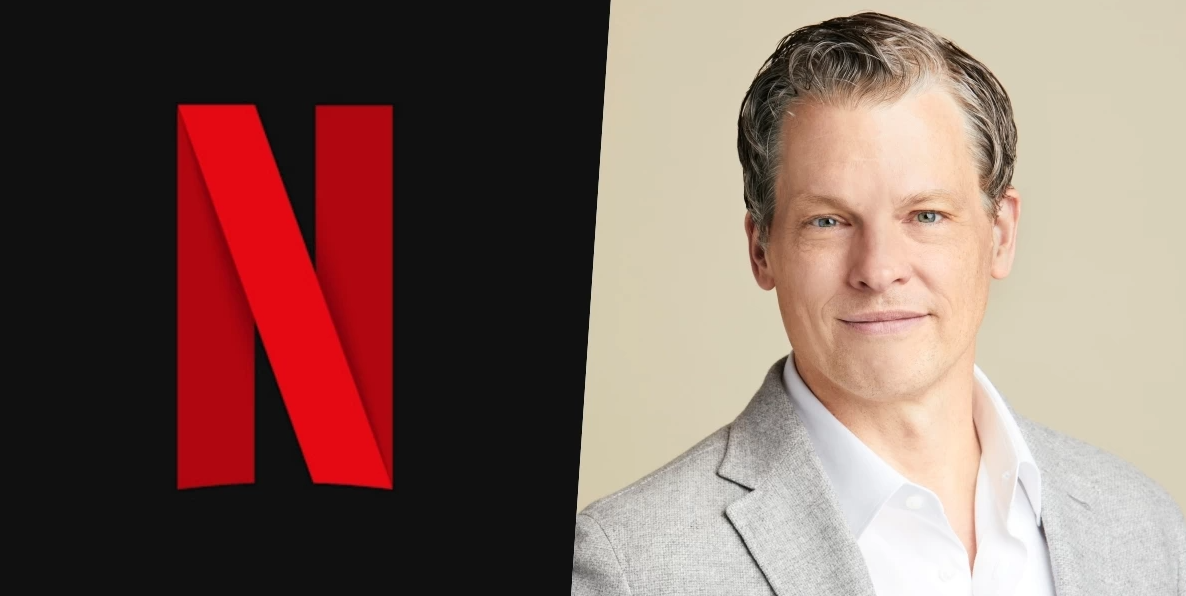
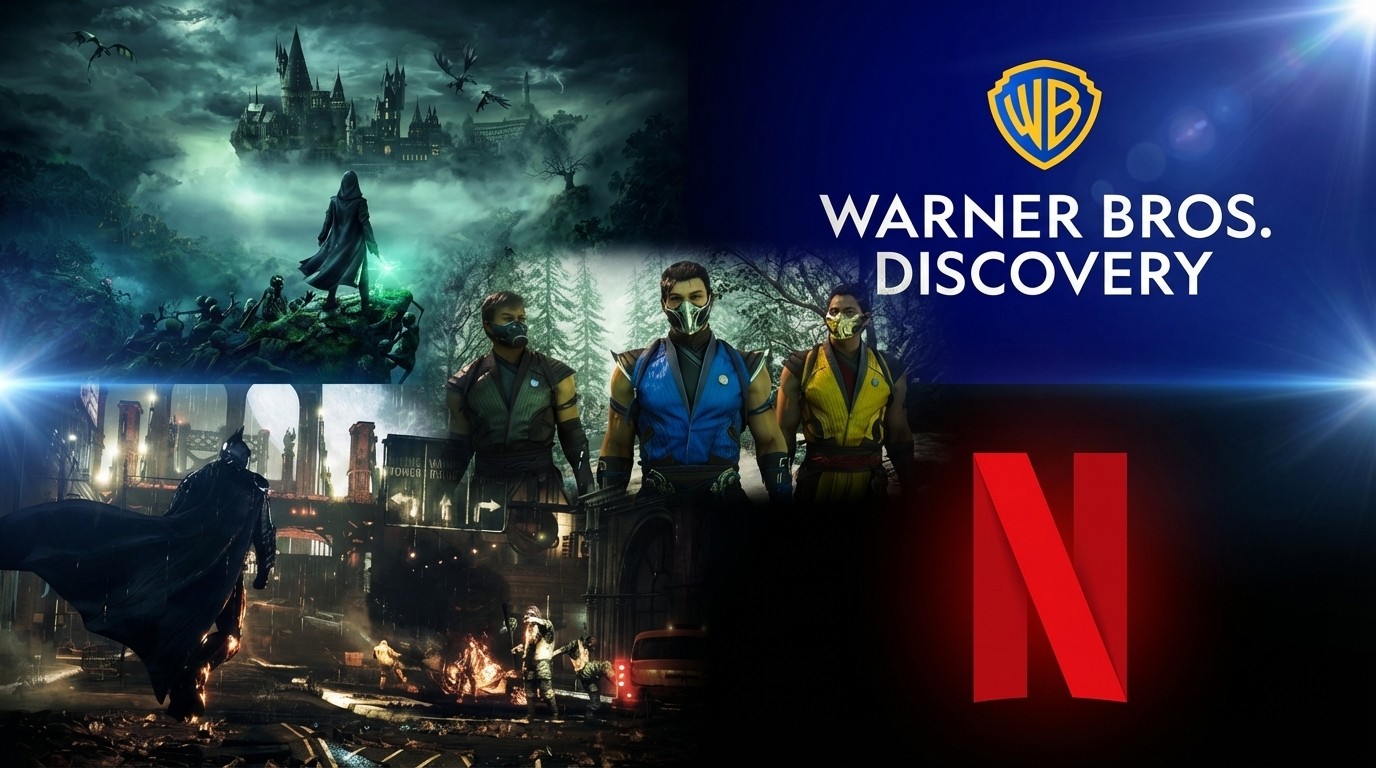
The joint CEO, President and Director of Netflix, Gregory Peters, revealed at a recent meeting to discuss the takeover that the company had not given any valuation to the game business under the latter’s flag in its $82.7 billion acquisition of the Warner brothers.
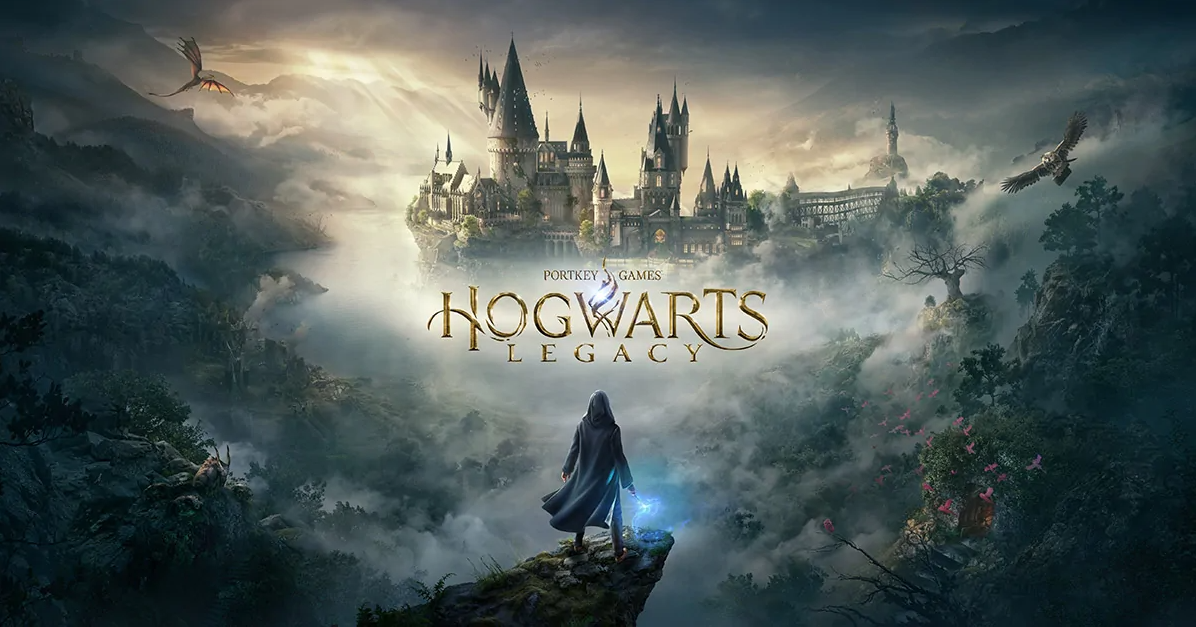
When asked whether the pyramon sky-dancing competition would speed up Netflix’s own game planning, Peters said: “Despite the great work that Warner did in the field of games, we did not give it any value from the outset, because the business was relatively minor in the overall strategy.” But we are very excited now, because part of their IP — for example, Hogwarts — is an excellent case, and we think that it can be integrated into our content ecology,” Peters added, “They have excellent workshops and teams, so there are opportunities. But it needs to be clear that we did not include it in the transaction valuation model.”
The business response to Netflix was complex. John Wright, CEO of Turborilla, Sweden’s Handicraft Company, considered the bid to be “a battle for control over inter-media entertainment over the next decade”. In contrast, Chief Executive Officer Rafael Brown of Symbol Zero predicts that the Warner Brothers game may start “serious bleeding” within months of completion of the merger. In response to whether or not the acquisition was complete, Peters said that the bid for the Paramount Sky Dance was “unexpected”. He said: “We have entered into a deal and are very satisfied that it is very beneficial for both shareholders and consumers and that it is a good way to create and protect employment in the entertainment sector. We have great confidence in the completion of the deal and great expectations.” Regulatory authorization is still required for any transaction.
In describing the progress of Netflix ‘ s current game business, Peters noted that over the past two years companies had invested in building the sector ‘ s infrastructure and developed strategies. Last year, the company appointed Alan Tascan, Executive Vice President of Epic Games Development, as the Managing Director of the game sector, and at the beginning of this year four main areas of focus were defined: children’s games, popular games, Netflix IP narrative games and multiparty games. “We have done a great deal of strategic validation, as it is often said `it is not until we are pushed to the market to truly understand the value of the product’”, Peters explains, “It is heartening that we have reaped from it and that we are now releasing the value of the strategic adjustments.” He specified, “First, a immersion-based narrative game based on an IP, such as the squid game fans, can experience the universe in depth, and the golf game that we launched earlier was also interesting. The area of children is another focus, and we would like to provide a safe play space without in-service payments and without advertising. And the third is to expand the distribution channels of the story game IP, just like we did with “The Carjacker,” and the newly released “The Wild Darts” is on the top of the list of cell phone games. The fourth category of social games, like the innovation of home games night, we have launched multiple games at the end of the television, where users can use their mobile phones as controllers to participate in the charades, “You paint me ” , “Lego” and so on, and will soon launch a great show-like game “Best guess.”
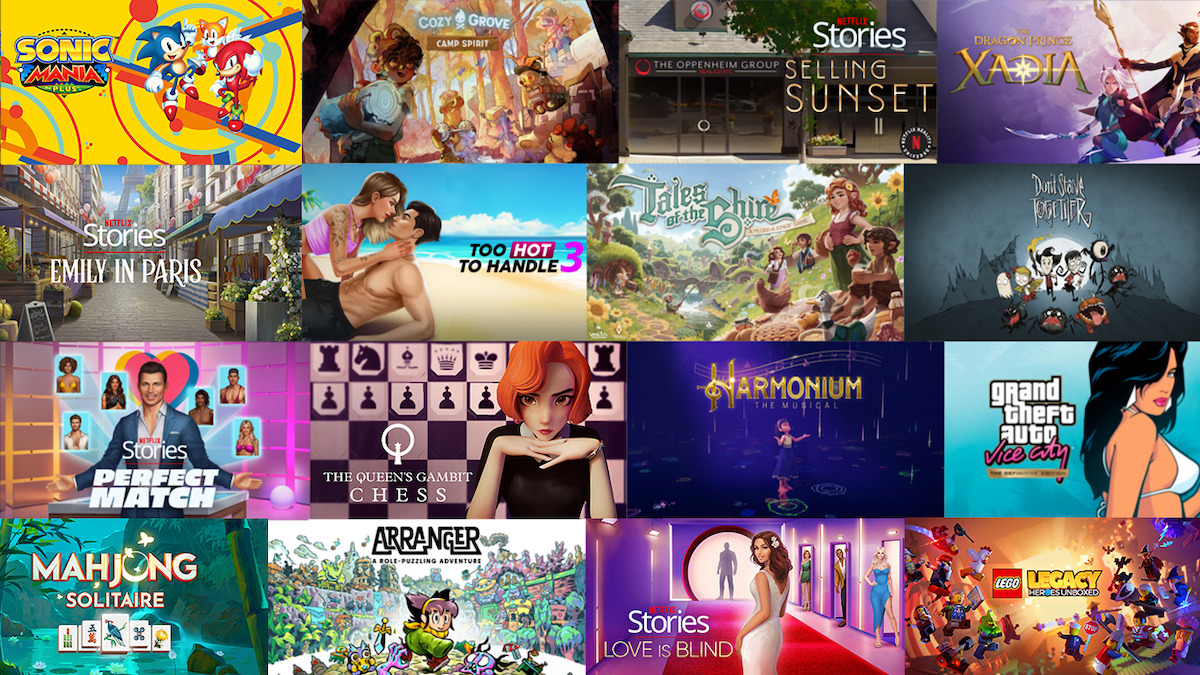
Peters concluded that these explorations were gradually demonstrating the potential of Netflix to create differentiated values for its members.