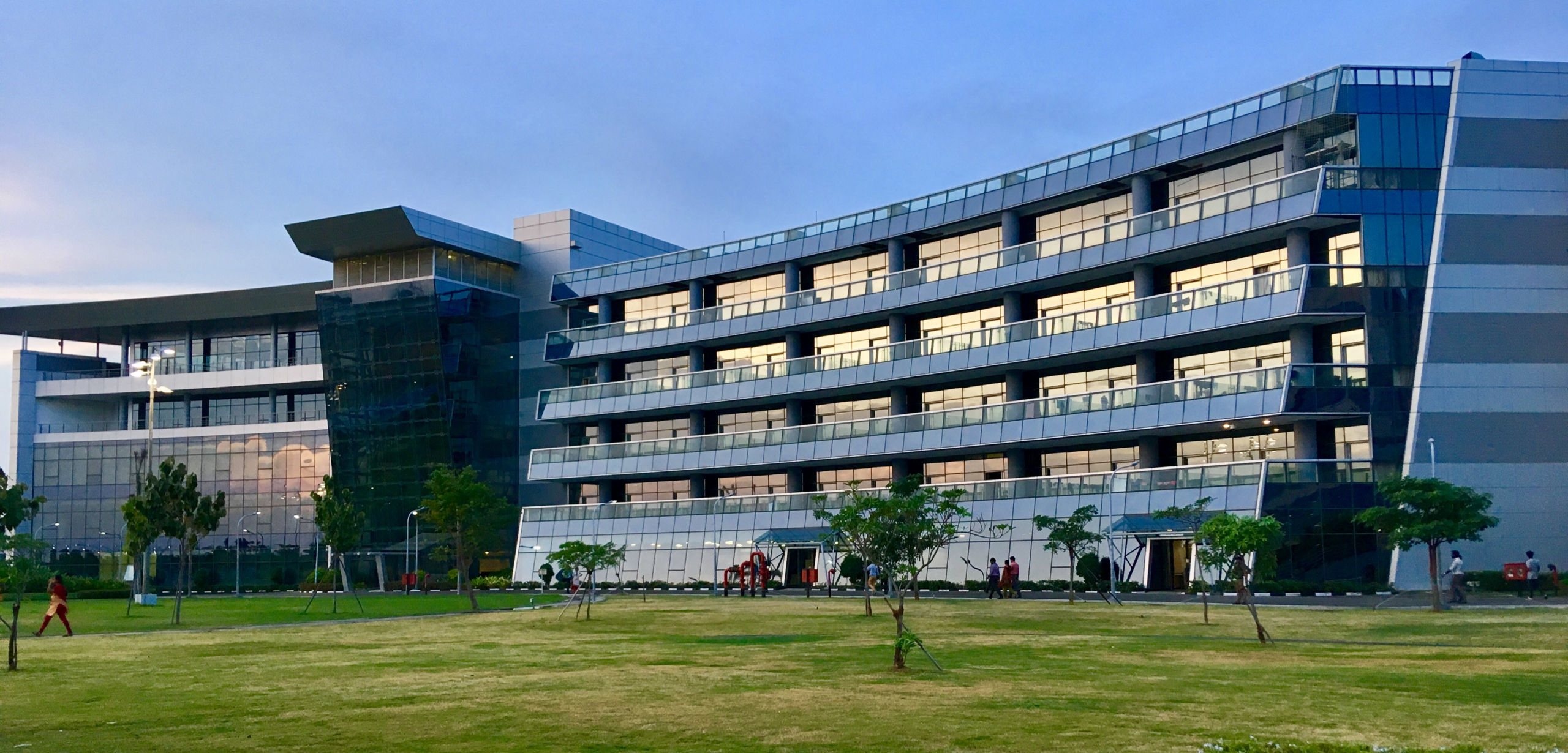
India ‘ s largest software exporter, Tata Advisory Services (TCS), plans to downsize some 12,000 employees in the current fiscal year, about 2 per cent of its total global workforce. This is part of a broader plan by companies to adapt to changing technology trends and streamline their operations, and to become “future-oriented enterprises”.

Shortly before, TCS had just updated its human resources policy, requiring staff to maintain a minimum of 225 billed workdays per year and setting a maximum of 35 days for “suspension periods”. In a statement, TCS stated: “TCS is working to transform itself into a future-oriented enterprise. This includes strategic initiatives in many areas: investing in new technological areas, entering new markets, deploying artificial intelligence on a large scale for clients and themselves, deepening partnerships, creating next-generation infrastructure and adapting our labour model.”
“To this end, we have undertaken a number of skills retraining and internal redeployment programmes. As part of this transition, we will also release those who may not be able to deploy effectively. This will affect about 2 per cent of our global workforce, mainly middle- and senior-level staff, and the downsizing will be gradual during the current fiscal year.”

Tata stressed that this change would be handled with caution to ensure that client services were not affected. The statement adds: “We understand that this is a challenging time for colleagues who may be affected. We appreciate their services and will make every effort to provide appropriate benefits, employment support, counselling and other support as they transition to new opportunities.”
The Chief Executive Officer and Managing Director of TCS, K. Krishnawasan, stated that lay-offs would not be rushed. He explained that the process would include the careful identification of affected staff and the granting of fair internal transfer opportunities.
Krishnawasam said to Moneycontrol: “This is a process of identifying people. This will take place throughout the fiscal year, and we will not be anxious to achieve it. We will first communicate with potential affected staff and provide them with opportunities for (internal reassignment). When we are unable to provide the opportunity, the necessary steps need to be taken (retrenchment). We shall then provide all the benefits due.”
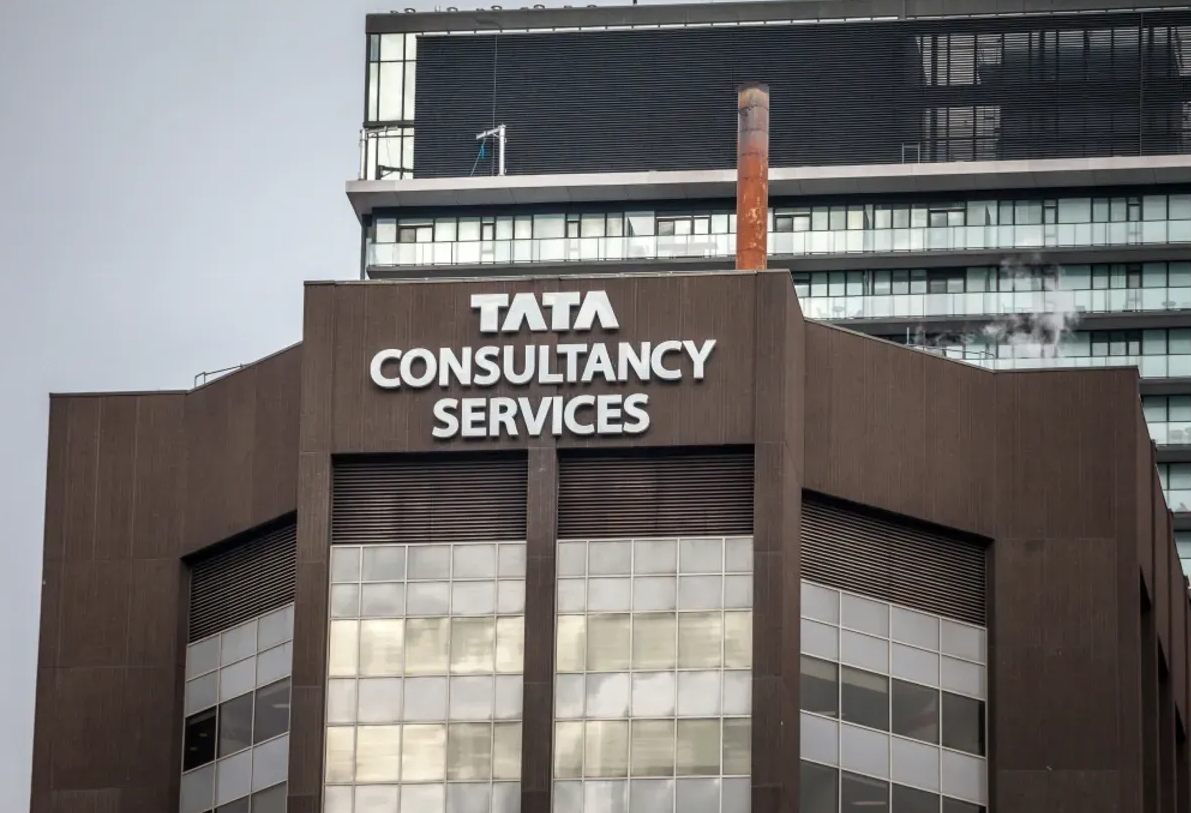
Krishnawasam further states, according to Moneycontrol: “We will provide appropriate benefits. The human resources department has a sound implementation policy, which they follow. We will provide benefits such as the possibility of extending their insurance period. We are considering re-employment services, for which we have hired professional bodies. We will also provide them with re-employment support and any needed counselling. We will deal with it in a very, very human manner.”
TCS has not yet provided a specific staff reduction schedule, but indicates that the process will be implemented progressively throughout the financial year 2026 (FY26). Retrenchment, which will primarily affect middle and senior management, is expected to be implemented gradually over the next three quarters and not limited to specific areas or areas of operation. TCS undertook to provide notice period compensation, severance pay, extended insurance and career conversion support to affected staff.