OpenAI has started the introduction of a fee-paying service for its Sora AI, which sells additional revenue to heavy users. Through Applestore, users can now purchase 10 video generation lines at $4. While the tool still maintains a 30-per-day free generation level, the OpenAI director, Bill Peebles, confirmed on platform X that the free amount will be gradually reduced as users grow.
“In order to respond to the demand for growth (especially the resource constraints of the GPU), we must eventually reduce the number of free generation, but keep the transparency of policy adjustments,” said Bill Pibrus. He also revealed that OpenAI was testing multiple profit models, including allowing copyrighters to profit by authorizing artistic works, virtual roles, or personal images. “We envisage a system in which copyrights can charge extra fees for classic role or celebrity lenses.” A brand-new “Fixer Role” feature allows users to convert almost all objects into reusable AI video roles. This feature, together with video fusion technology and popular video rankings, constitutes a core update of Sora 2.
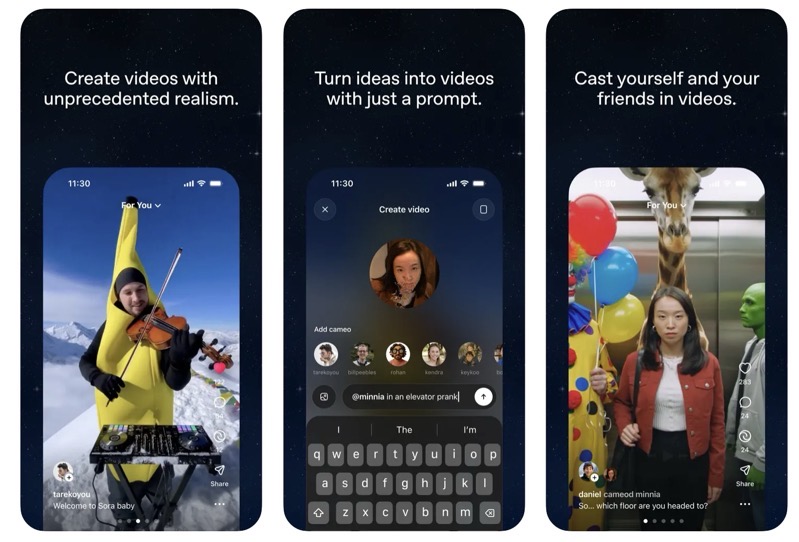
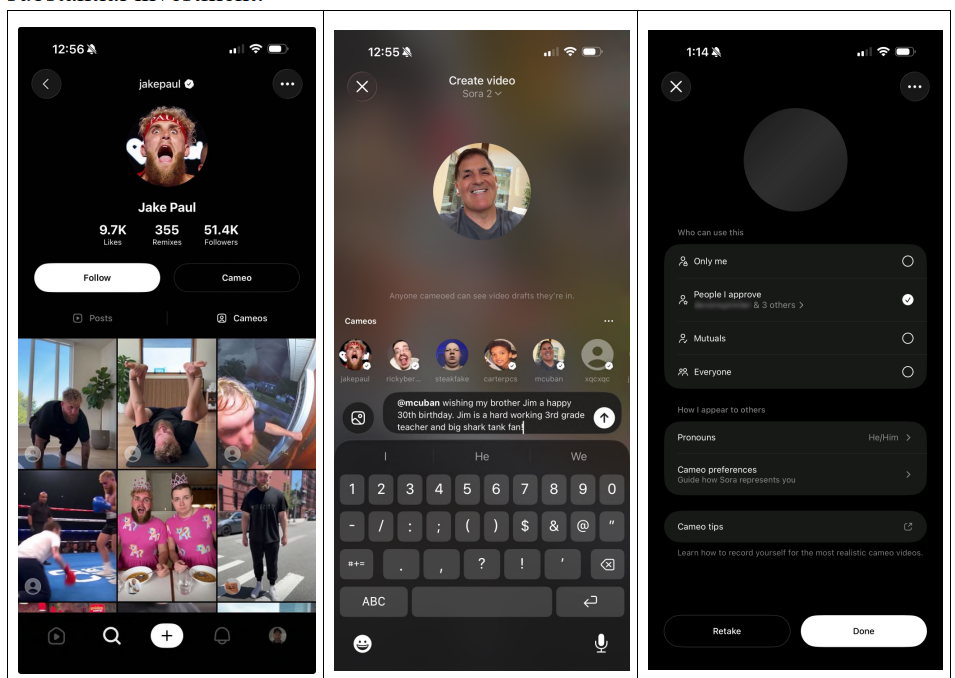
This function is based on the upgrading of the existing “personal digital divide” technology, which was announced last week. Previously, users had been able to create their own AI face-to-face model and choose whether to open it to other users of the platform, and the technology could now be applied to any subject, such as pets, illustrations, toys, etc. A series of prefabricated roles are also provided for video call at the same time as the functionality is online. In its latest version of the note, OpenAI states: “Each created role has a completely new permission set independent of the user’s own image: it can be set up as private, contributing to the inter-user or open to all Sora users. Displays the name and logo for the role, which is always called in the video. While the official network stated that the role could be created through the “original image” generated by the user in Sora, it did not clearly indicate whether it supported the virtual image generated by other AI tools, nor did it limit the extent to which the role was developed. OpenAI has not explained how to distinguish these images from the real person if the user is free to upload the image of the person generated by AI. This update was launched at a time when the celebrity video platform Cameo sued OpenAI for trademark infringement using the term “cameo” in the Sora function.
Synchronization of up-to-line video ciphers supports the connection of multiple video clips to multiple long-scenes videos, and the new rankings display the most mixed videos and most frequently called users and characters. To promote the new functionality, OpenAI announced the opening of “time-limited and invitation-free registration” to users in the United States, Canada, Japan and Korea, temporarily lowering the threshold for use. OpenAI ‘ s pricing strategy reveals how it strikes a balance between the accessibility of services and business sustainability in the context of AI video generation technology diffusion, while exploring the user ‘ s willingness to pay for high-end AI creative tools. This also marks a formal move from the R & D phase to the commercial water test period.