In September this year, a coalition of 101 Labour Party members called for an increase in the lottery tax from 21 per cent to 50 per cent, when the Social Markets Foundation and the Institute of Public Policy (IPPR) argued at its core that the new tax would help the government to alleviate child poverty by abolishing the current “two-child welfare cap” policy.

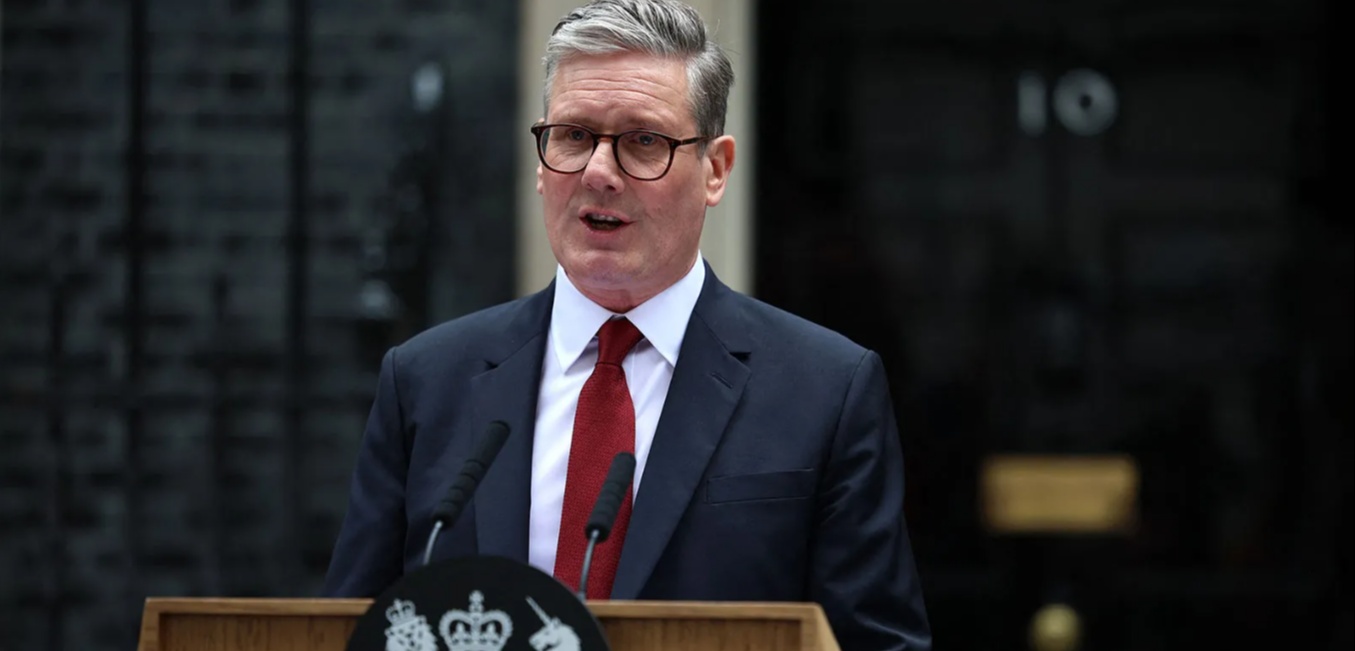
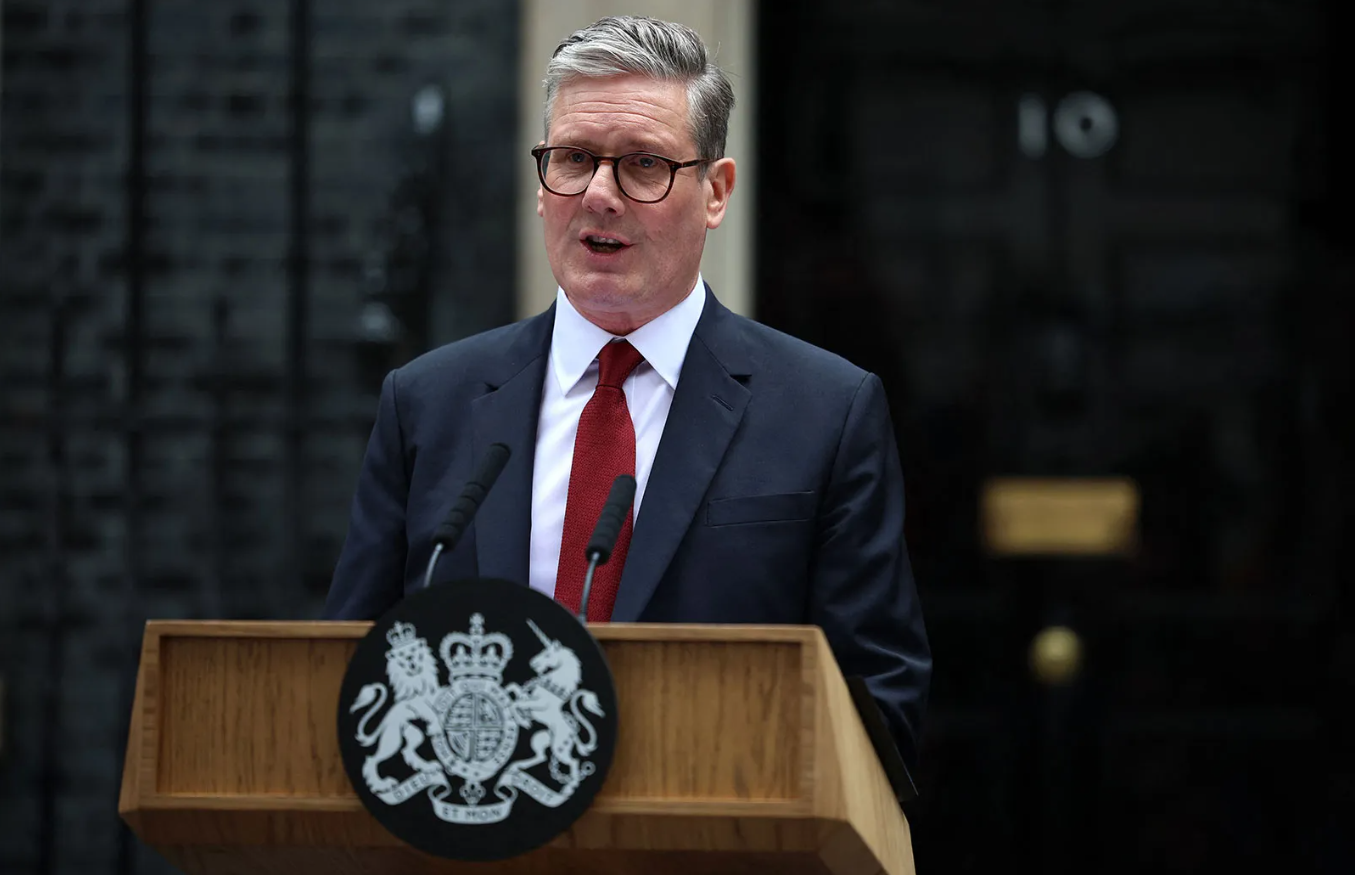
Although the plan for tax increases has not yet been finalized, British Prime Minister Kiir Stammer has strongly suggested that the benefit restrictions will be lifted in the fall budget issued later this month. It is estimated that the removal of the benefit ceiling will cost Pound3 billion and that raising the lottery tax is likely to become a funding option. Kiel Stammer said to ITV TV: “The answer is coming. If I have not made it clear that we will take a series of measures to promote poverty reduction, I will not convey to you the resolve to reduce child poverty.”
The former British Prime Minister, Gordon Brown, has also publicly supported tax increases. In an interview with Sky News, he said: “We tax 80 per cent on cigarettes and 70 per cent on alcohol, but only 21 per cent of the online lottery tax is well-founded. Gordon Brown stressed that the lottery operator was “fully capable of bearing the tax— I hope that this money will be used to eradicate child poverty” and that “the money will be diverted to good deeds to improve child poverty by imposing a tax on bad behaviour”. The proposal has been supported by more than 100 Labour Party parliamentarians and the Liberal Democratic Party as a whole, including an increase from 21 per cent to 50 per cent for online casinos, from 20 per cent to 50 per cent for tiger machine games and from 15 per cent to 25 per cent for non-racing horses. The Institute of Public Policy estimates that this would raise Pound3.2 billion to cover the cost of lifting the child benefit ceiling.

However, the gaming industry warns that higher tax rates can be counterproductive if they result in more revenue going to unlicensed markets. The Industry Lobby and Lottery Commission cited the practical experience of KSA, the Netherlands regulator, that the increase in the country ‘ s lottery tax had instead led to a decrease in tax revenues.