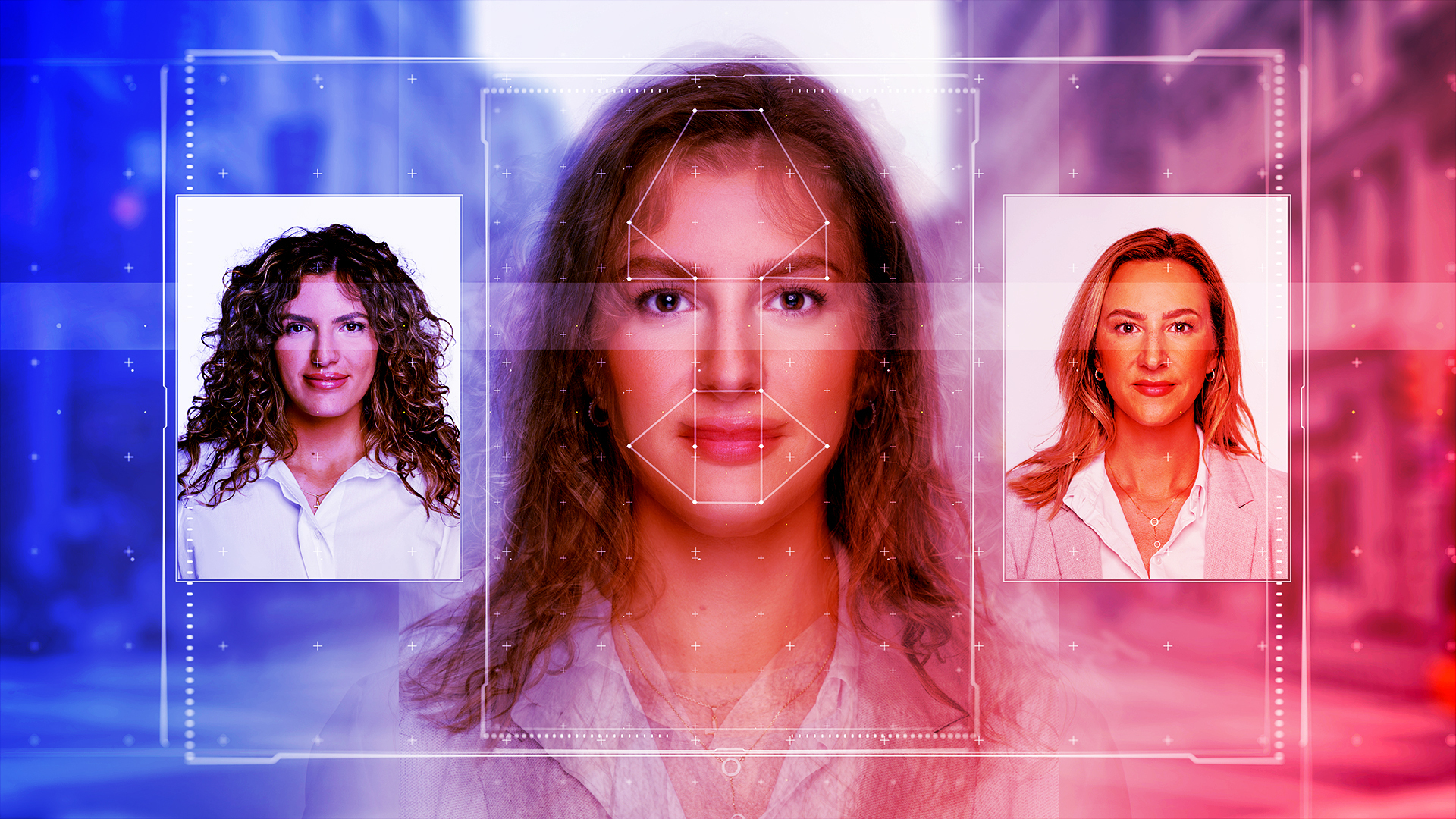
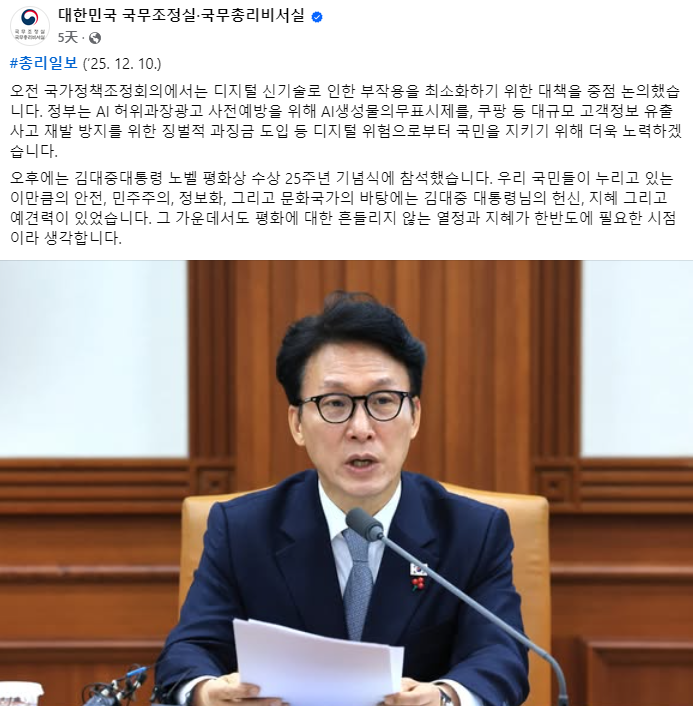
The Korean Government announced that, in order to curb the growing incidence of fraudulent Internet advertising, it planned to impose a clear label on artificial intelligence-generated advertising from the beginning of 2026. The Prime Minister of the Republic of Korea, Kim Min-sik, announced the policy at a government meeting and warned that the deep-false advertising technology generated by AI was becoming more sophisticated and that it was difficult for ordinary users, especially the elderly, to discern the authenticity of the content.
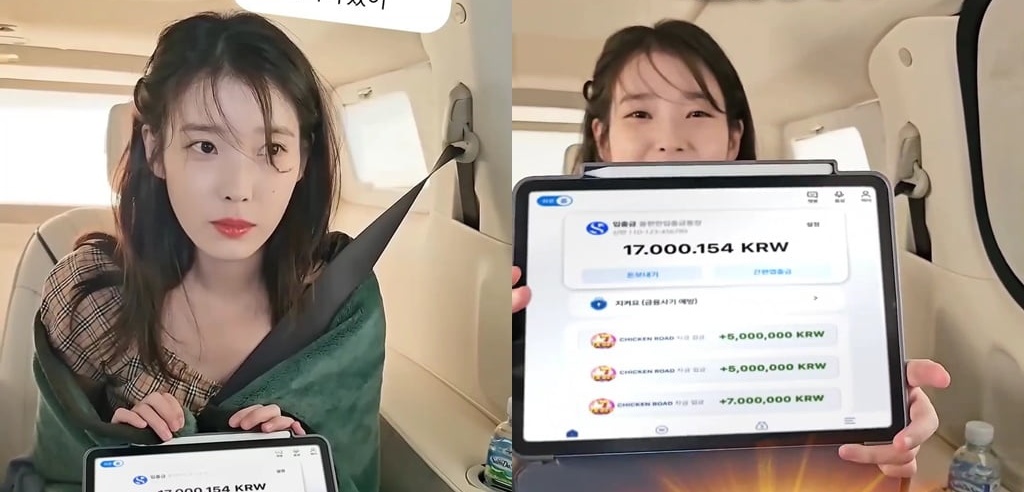
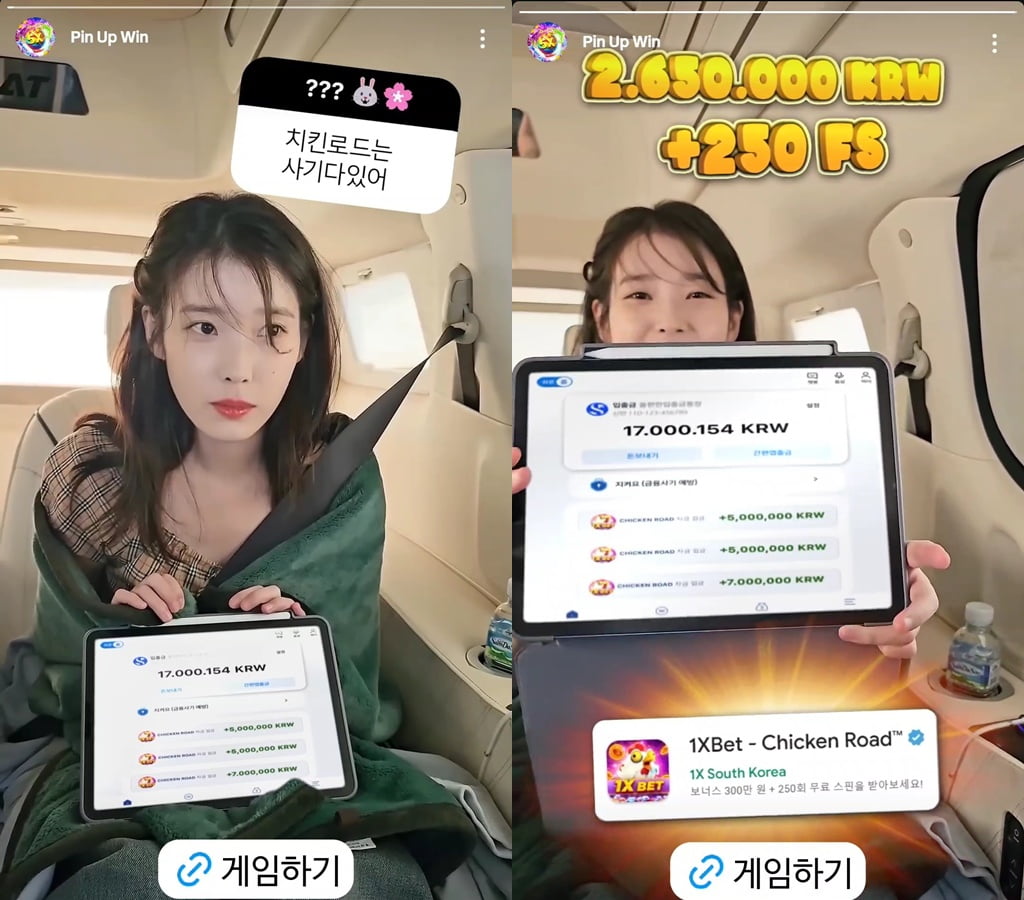
Li Donghwan, the policy manager, stated that current deceptive advertising had “disturbed the market order” and required urgent intervention. Under the new regulations, any person involved in the production, editing or uploading of AI-generated visual content is required by law to add a clear statement that removal, cover-up or tampering with the logo is prohibited and that the advertising platform is jointly responsible for compliance. The Government plans to amend the Telecommunications Enterprise Act and related regulations so that the new regulations will come into force in early 2026, by which time the regulatory bodies will be given greater authority to punish violators and force digital platforms to quickly dispose of counterfeit content. The abuse of AI is a source of continuing concern following the proliferation of illegal marketing activities. According to data from the Korea Food and Drug Security Department, in 2024 more than 967) million illegal advertisements were detected, which officials attributed directly to the low-cost rapid production capacity of the generation of AI tools. The Korea Consumers ‘ Institute warns that the speed of the dissemination of false information has exceeded the monitoring capacity of existing regulatory teams and that AI technology is accelerating its scale and complexity. According to the Korean media, the issue has spread to several prominent South Korean public figures, including singer and actor IU, actor Lee Horne, former member of the Wonder Girl League An Zhao Hee, and football player Sun Xing Xin, who have been manipulated for use in gambling advertising and falsely described as a proxy for online gaming platforms, which has further prompted calls for enhanced protection of the right to portrait.
At the same time, the authorities were dealing with more serious cases of in-depth forgery, and Korean courts had recently sentenced an offender to life imprisonment for extortion of more than 200 victims using the production of pornographic content from AI. Despite increased risk, the Korean Government remains committed to the development of AI industry. President Lee and Prime Minister Kim Min-sik both stated that the goal was to minimize harm without compromising innovation. The Government is increasing research and development inputs for the next generation of semiconductors and strengthening support for advanced AI chips. The new measure would include a maximum penalty of five times financial loss for the deliberate dissemination of false AI advertising, with harmful content to be removed within 24 hours, and even pre-stopped by an emergency shield. The Supervisory Authority will also enhance surveillance capacity through the deployment of AI-driven testing tools. Officials noted that the challenge now is to ensure that rapid technological progress does not go beyond the consumer protection system so that Korea leads the AI era without compromising public safety.